Puzzle Combat: Match-3 RPG
- 4.3
- Rating
- 5.00M
- Installs
- Free
- Price
 Analysis by App-foxy
I approached Puzzle Combat: Match-3 RPG expecting a familiar match-three game with a few role-playing touches, but its appeal comes from how tightly those two parts are connected. Every move on the board feeds into a battle, while the heroes you choose determine what kind of matches are worth chasing. That makes it more thoughtful than a simple color-matching time filler, although it also means that progress can feel slower when your team is underdeveloped.
Developed by Small Giant Games, this free role-playing game combines base building, hero training, and turn-based puzzle combat. It is aimed at Everyone 10+, runs on Android 7.0 or later, and the current version is 52.5.15. The game has built a sizeable audience, with over five million installs and a 4.3 average from around 113 thousand ratings. Those figures suggest a well-established experience rather than a short-lived experiment, and after spending time with it, I can see why it has kept players interested.
How the current game feels to play
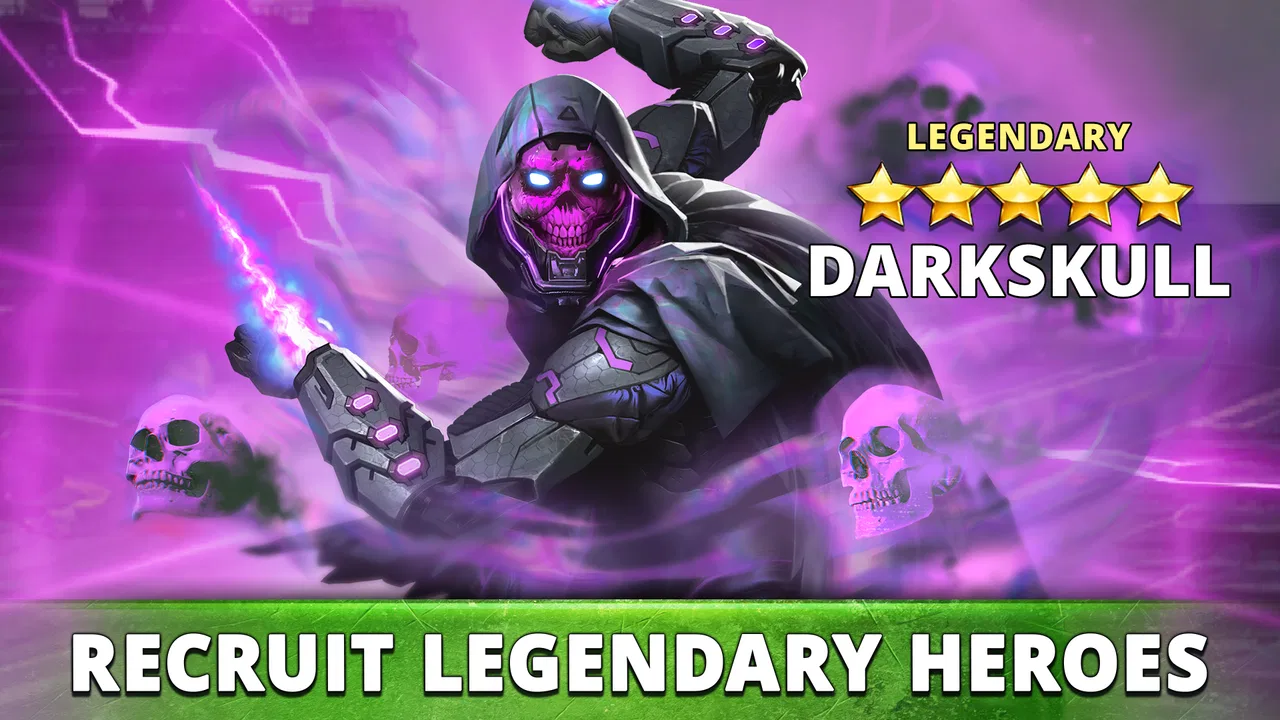
The central loop is easy to understand. You enter a battle, match tiles, charge your heroes, and use their abilities at the right moment. Matching tiles sends attacks toward enemies, while combinations and larger matches can create more useful effects. The board is not just a side activity placed beneath an RPG interface; it is the main way you control the fight.
You May Also Like

 Pandora - Music & Podcasts
Pandora’s Music Is Easy to Start, but Harder to Recover
Pandora’s strength is its low-effort path from a seed to a station. Its weak spot is how much confidence it asks you to place in connection, setup, and quiet recovery.

 8 Ball Pool
 Is Built on Rivalries, Rematches, and Routine
A close look at the rivalries, rematches, shared routines, and unanswered safety questions that turn a quick pool match into a persistent mobile community.

 Samsung Music
’s Quiet Strength Is Playing What You Already Own
Its reach comes less from spectacle than from dependable access to a personal library. That simplicity is both the app’s strongest retention engine and its ceiling.

 AccuWeather: Weather Radar
AccuWeather Review: A Quick, Clear Forecast for Everyday Decisions
For everyday plans, the best forecast is the one you can understand quickly. AccuWeather makes rain timing, radar, and local conditions easy to act on, with a few trade-offs.

 Hill Climb Racing
Why Hill Climb Racing Still Turns Crashes Into One More Run
A tiny car, a bumpy hill and one more upgrade: Hill Climb Racing keeps resurfacing because its simple chaos makes every near-miss feel personal.

 AliExpress - Shopping App
AliExpress Makes Global Shopping Feel Personal, but Shoppers Bear the Risk
AliExpress turns a global marketplace into a pocket-sized discovery engine. Its reach is useful, its shopping loop compelling, and its trade-offs easy to miss.
More From Our News Desk
View All News


What I like most is that a good move usually has more than one consequence. You may want to attack the enemy in front of you, but a different match could charge a healer or prepare a stronger special ability. Sometimes the best move is not the one that causes immediate damage. It is the one that keeps the board favorable for the next turn.
That decision-making gives the game a satisfying rhythm. Battles are short enough to fit into a break, yet the better encounters ask me to think about target selection, ability timing, and the order in which I build power. It feels more involved than matching tiles without a plan, but it remains accessible because the basic controls are straightforward.
The role-playing layer gives those battles a reason to matter. Heroes are not interchangeable pieces. Building a team means considering their strengths, their colors, and how their abilities support one another. A group with strong attacks may clear ordinary enemies quickly but struggle when healing or defensive timing becomes important. I found that a balanced team was often more reliable than simply choosing the characters with the highest apparent power.
The headquarters adds another planning layer. Instead of treating each battle as an isolated puzzle, the game asks you to develop a home base and use it to support your wider progress. This creates a useful long-term routine: complete activities, improve your resources, train heroes, and return to combat with a stronger lineup.
That structure is especially effective for players who enjoy gradual improvement. The game gives you several small decisions to make rather than one huge commitment. I could play a few battles, inspect my roster, adjust my team, and leave without feeling that I had to complete a long session.
The puzzle board rewards patience more than speed
One of the first habits I had to change was stopping myself from making the quickest available match. In many match-three games, speed is mostly harmless. Here, careless moves can charge the wrong hero, waste a useful lane, or leave an opponent alive for another attack. Looking for a match that creates a follow-up opportunity is often more valuable than clearing tiles immediately.
I also learned to pay attention to where matched tiles travel. A move can be technically strong but poorly positioned if it sends damage toward an inconvenient target or fails to build the hero I need. This is a small detail, but it is one of the reasons the combat feels more tactical than its simple controls suggest.
When several enemies are present, target priority matters. Removing a dangerous opponent can be more important than spreading damage evenly. In other situations, weakening multiple enemies prepares the board for a powerful ability or a chain of matches. The game does not require advanced strategy in every encounter, but difficult fights expose the difference between random matching and deliberate play.
My most useful practical tip is to treat special abilities as timing tools, not buttons to press immediately. Saving an attack for a vulnerable enemy, holding a heal until it protects the whole group, or waiting for a better board can turn an uncertain battle around. This is also where the RPG side earns its place: the same ability can have a different value depending on the board and the enemy lineup.
Building a team is more important than chasing one powerful hero
It is tempting to focus on a single favorite character, especially when that hero appears to outperform the rest of the roster. In practice, I found that a team with complementary roles was more useful. Damage dealers, support abilities, and defensive options each solve different problems, and a lineup that looks less impressive on paper can perform better when its skills work together.
Color awareness is another important part of team building. The board determines which heroes charge, so a team that looks strong in a menu may feel awkward if its members compete for the same opportunities or leave important colors uncovered. I recommend testing a lineup across several battle types instead of judging it after one easy victory.
Training also requires restraint. Improving every hero a little can leave the whole roster mediocre, while concentrating resources on a core group produces a more dependable team for regular play. I prefer choosing a main squad, keeping a few alternatives for specific situations, and avoiding the urge to upgrade every new character immediately.
This approach also helps with one of the game's less obvious pressures: roster clutter. Role-playing games with collectible characters can quickly fill a player's choices with units that seem useful but do not fit the current plan. Keeping a clear idea of which heroes serve which purpose makes the headquarters and upgrade systems easier to manage.
What the headquarters adds to the daily routine
The headquarters is more than decoration. It gives the game a sense of continuity between battles and turns spare resources into future progress. I liked having a reason to return after a fight, check what could be improved, and decide whether to invest in training or save materials for a more important upgrade.
That said, the base-building side can feel like a second schedule to maintain. Players who enjoy optimizing several systems will appreciate the extra control. Players who only want quick puzzle rounds may find the menus and development tasks distracting. The game works best when you accept that the headquarters is part of the experience rather than an optional screen to ignore.
A realistic everyday use case is a short evening session after work or school. I can complete a few battles, spend accumulated resources, improve a hero, and stop before the session becomes a major time commitment. The game is also suitable for longer sessions when I want to test a new team, but its strongest convenience is the ability to make meaningful progress in small visits.
Progress, spending, and the experience for established players
The game is free to play, with in-app purchases ranging from $0.99 to $99.99 per item. That pricing range is important because it changes how different players may experience progression. Someone who is comfortable waiting and planning can enjoy the core battles without treating purchases as mandatory, while a player who wants faster roster growth may feel pressure to spend.
I would not recommend buying anything during the first rush of enthusiasm. The early game is a useful period for learning which heroes and team roles suit you. Spending before understanding your preferred lineup can lead to resources going toward characters you later stop using. Waiting also makes it easier to judge whether the game's gradual pace is acceptable for your habits.
The trade-off is clear: patience gives the game a more relaxed character, but impatient players may find the development loop restrictive. The headquarters, training, and hero progression are satisfying when they move steadily. They become frustrating when a player expects every session to produce a major improvement.
For existing users, the current version matters because it represents a mature product rather than a launch-day snapshot. Version 52.5.15 indicates that the game has gone through substantial ongoing development since its release on February 7, 2020. I would still separate that fact from any promise about future changes: a current version shows continued evolution, but it does not guarantee a particular feature, balance adjustment, or event later on.
That distinction is useful when deciding whether to return. A returning player should first inspect the present state of the roster, headquarters, and battle balance instead of assuming the game feels exactly as it did at release. Long-running role-playing games can change their priorities over time, and the best way to re-enter is to spend a few sessions relearning the current rhythm before committing resources.
New players benefit from the game's established structure, but they may also face a larger amount of information than someone who started near launch. There are more decisions to make once the basic tutorial period ends, and it is easy to mistake every available option for an urgent task. My advice is to focus on one reliable team, learn the board, and expand only after the basic combat loop feels comfortable.
Where it stands beside other role-playing puzzle games
Compared with a pure match-three game, this title offers more long-term purpose. Matches influence battles, battles feed progression, and progression changes future team choices. If you want a game that can occupy weeks rather than a few minutes, that structure is a real advantage.
Compared with a traditional role-playing game, it is much easier to pick up. You do not need to memorize a large control scheme or spend every session exploring a complex map. The puzzle board remains the center of attention, so players who prefer quick tactical decisions may enjoy it more than a menu-heavy RPG.
The compromise is that neither side is completely as deep as its dedicated alternatives. A specialist puzzle game may offer more immediate variety in its boards, while a conventional RPG may provide richer character stories, exploration, or direct combat control. This game is best for someone who wants the overlap: tactical matching, collectible heroes, and a base to improve.
I would skip it if you dislike games built around repeated progression, roster management, or waiting for upgrades. I would also look elsewhere if your ideal RPG is driven primarily by narrative and exploration. The headquarters and hero systems give the game structure, but they do not turn it into a story-first adventure.
Small friction points that affect the long-term experience
The biggest limitation is the possibility of routine. Once the basic battle pattern becomes familiar, some sessions can feel like maintenance: complete activities, collect resources, train a hero, and repeat. The strategic decisions remain meaningful, but not every encounter delivers the same level of tension.
Another source of friction is resource focus. Because there are multiple ways to improve a team, a new player can spend materials too widely and then feel weak in the battles that matter. The game rewards a measured approach, but it does not always make the consequences of scattered investment obvious at first.
The free-to-play structure can also affect the mood. Even when I am enjoying the puzzle combat, the presence of purchasable progression makes me more conscious of pace. Players who are sensitive to monetization should decide in advance whether they are willing to wait, because entering with an expectation of rapid growth can make the experience feel more demanding than it needs to be.
There is also a difference between being busy and being deep. The game has enough systems to keep a player occupied, but additional menus do not automatically create better strategy. I found the strongest moments in actual board decisions and team composition, not in simply collecting more tasks. That is why I would judge the game by its battles first and its surrounding progression second.
What I would watch before committing for months
For a new player, I would watch how quickly the game becomes comfortable without spending. The early hours can be enjoyable, but the more meaningful test is whether the progression pace still feels fair once the novelty fades. If you can accept gradual improvement and enjoy refining a team, the game has a solid chance of becoming a regular habit.
I would also watch how much you enjoy rebuilding teams for different challenges. If changing heroes, colors, and ability timing feels like experimentation, the roster gives you a reason to stay engaged. If it feels like administrative work, later progression may become tiring even if the puzzle controls remain pleasant.
For returning players, the sensible approach is to review the current version as it exists today, not rely only on memories from earlier play. Relearn the board, check which heroes still fit your strategy, and avoid immediately spending accumulated resources until you understand your present options. That small pause can prevent a costly mistake and make the return feel more deliberate.
My final recommendation is positive but specific. Puzzle Combat: Match-3 RPG is a good fit for players who want a mobile game that blends careful tile matching with hero development and headquarters management. I especially recommend it to people who enjoy improving gradually and making short, repeatable decisions throughout the day. I would not recommend it to anyone looking for a story-heavy RPG, instant access to every powerful option, or a completely pressure-free free-to-play experience.
After playing it, I see its best quality in the connection between a simple move and a larger plan. A match can charge a hero, a hero can rescue a battle, and that victory can support the next stage of development. It works when you treat it as a patient strategy game with puzzle controls, rather than as a puzzle game that happens to have heroes. That mindset makes its slower progression easier to accept and reveals the thoughtful choices beneath its approachable surface.
FAQs for Puzzle Combat: Match-3 RPG
01What is Puzzle Combat: Match-3 RPG?
Puzzle Combat: Match-3 RPG combines classic match-3 puzzle battles with role-playing and base-building features. You match colored tiles to attack enemies, charge your heroes’ abilities, and progress through story stages. Outside combat, you can upgrade buildings, train characters, collect resources, and assemble teams with different strengths. The mixture makes it more strategic than a traditional match-3 game.
02Is Puzzle Combat: Match-3 RPG free to download and play?
Yes, Puzzle Combat: Match-3 RPG can generally be downloaded and played for free, but it includes optional in-app purchases. These purchases may provide resources, summons, energy, upgrade materials, or other progression advantages. You can make progress without spending money, although upgrading a large roster and obtaining stronger heroes may require patience. Parents should review device purchasing settings before allowing children to play.
03Does the game require an internet connection?
An internet connection is normally required for the main Puzzle Combat experience. Online access is used for account synchronization, events, competitive modes, rewards, purchases, and communication with the game’s servers. Because of this, the game may not work properly when played completely offline. A stable connection is especially important during battles or limited-time activities so that progress is recorded correctly.
04What are the main gameplay features?
The core gameplay revolves around matching three or more tiles of the same color to damage opposing enemies and generate special attacks. Players can build teams around elemental colors, hero abilities, and different combat roles. The game also includes character collection, equipment and skill upgrades, campaign missions, a personal base, events, and multiplayer or alliance-related activities, giving players several progression paths.
05Is Puzzle Combat: Match-3 RPG suitable for casual players?
Puzzle Combat: Match-3 RPG is accessible for casual players because the basic tile-matching controls are easy to understand and short sessions are possible. However, the broader experience becomes more demanding as enemies grow stronger and progression systems multiply. Players who enjoy daily tasks, team optimization, resource management, and long-term collection goals will get the most from it. Those seeking a completely relaxed puzzle game may find its RPG mechanics and timers more involved.
Pros
- Combines match-3 battles with RPG progression and team building.
- Large roster of heroes encourages experimentation with different strategies.
- Frequent events and challenges provide plenty of long-term goals.
- Alliance features add cooperative play and social interaction.
- Simple controls make battles easy to learn on mobile devices.
Cons
- Energy limits can interrupt play during longer sessions.
- Upgrading heroes and buildings may require considerable grinding.
- Random pulls can make obtaining specific heroes unpredictable.
- Competitive modes may favor players who spend money regularly.
- The interface can feel crowded with numerous menus and offers.

Puzzle Combat: Match-3 RPG
Gallery